


Winter Gardening Checklist: How to Prepare Your Garden

Winter can feel like a slow season in the garden, but behind the scenes it’s one of the most important times for preparation. The jobs you complete now – from pruning to repairs – will help your garden cope with the harsh weather to come and to flourish in spring.
Wondering where to start? This winter gardening checklist brings together all the key tasks to keep your outdoor space healthy through the colder months. We’ve also touched on some winter garden care supplies that you might find useful this season. These can be picked up from our Oxford, Yarnton and Swindon branches, or you can order them online.
From preserving your plants and lawn to refreshing paving and decking, let’s get started.
How to protect your plants in winter

Protect plants from frost with fleece and covers
Frost is one of winter’s biggest threats to plants, so insulating them early is crucial. Thermal jackets, horticultural fleece and breathable wraps like burlap help shield plants from the cold, without preventing airflow or light. Our sister store Oxford Garden Centre stocks a variety of frost protection fabrics suitable for perennials, shrubs and exotic plants. Just pop in!
Bring tender plants indoors
Some plants can’t tolerate prolonged cold, making indoor storage an essential part of winter gardening. Pelargoniums, cannas, citrus trees and young cordylines should be moved into a greenhouse or outbuilding, while dahlia tubers should be stored somewhere dry and frost-free.
Look after potted plants
Because potted plants are more exposed to the cold, they need a little extra care. Moving them to a more sheltered spot or greenhouse will help prevent frost damage. Raising pots on pea gravel or pot feet will also encourage airflow and keep roots out of cold, saturated soil. If you have terracotta pots, insulate them by wrapping with fleece to reduce the risk of cracking.
Mulch to insulate roots and improve soil
Applying winter mulch helps regulate soil temperature, retain moisture and protect roots from freezing. Mulch also suppresses weeds and enriches the soil for planting – more on this next. Bark mulch, wood chippings and composted mulch are great choices for winter soil improvement. Meanwhile, decorative gravel is a neat, low-maintenance options for borders.
New to mulch? Read our mulching guide covering different types and handy application tips.
Improve and protect your soil

Winter is a great time for soil preparation, as natural freeze–thaw cycles help break up heavier soils and improve structure. Spreading 5–10cm of compost, soil improver or well-rotted manure over borders allows organic matter to settle and begin breaking down over winter. This will add nutrients to the soil and improving drainage ready for spring planting.
Another simple way to protect your soil is to avoid walking on it when it’s wet. Doing so will compress vital air pockets and restrict the movement of water and nutrients that plant roots rely on. Remember, taking care of your soil structure now helps ensure better planting conditions and stronger root development once the weather improves.
Read more about compost and its uses on our blog.
Prepare your lawn for winter

Give your lawn its final cut
Make your final mow when temperatures are still above 8°C, raising the mower height to leave grass between 2.5–4cm long. Keeping grass slightly longer will protect the lawn from frost and minimise stress through winter. It also supports a healthy, strong start when spring arrives.
Read expert advice on preparing and storing your lawn mower for the winter here.
Clear leaves, moss and debris
Fallen leaves trap moisture, block light and encourage fungal problems, so clearing them regularly is essential for good winter lawn care. Use a rake or blower to remove leaves and moss, and add the collected material to your compost heap. Shredded and lightly moistened leaves will break down into leaf mould, which you can use to add structure and organic matter to your soil. Removing debris also improves airflow and reduces the risk of pests and disease.
Aerate and top-dress
Aerating your lawn can relieve compaction and help prevent waterlogging – particularly important after heavy autumn rain. Use a garden fork, or a hollow-tine aerator to create holes in the soil that allow oxygen and water to reach the roots. Follow with a light layer of Rolawn Topdressing to level the surface, improve soil structure and help new grass grow more evenly.
Apply an autumn/ winter lawn feed
High-potassium winter feeds strengthen root systems and improve resistance to disease and frost. Feeding at this time of year helps lawns maintain colour for longer and get off to a strong start when spring returns. Browse a host of winter lawn feed options at Oxford Garden Centre.
Avoid walking on frozen grass
Last but not least, try to avoid walking on your lawn on frosty mornings to keep the surface healthy. Frozen blades snap easily and can leave lasting footprints that turn into bare patches.
Prune trees, shrubs and perennials

Cut back perennials
Once herbaceous perennials die back, cut away old stems on plants like hostas, rudbeckia, peonies and daylilies. Removing last season’s growth limits disease and stops soggy foliage from smothering new shoots. This winter gardening tip will keep borders looking tidy and make room for early-spring bulbs to push through.
Prune fruit trees
Apples and pears respond well to winter pruning, which improves airflow and encourages more productive growth. But avoid pruning stone fruits like plums, cherries and apricots during winter because they are prone to silver leaf disease. A well-timed prune will help your trees better withstand winter weather and support strong regrowth.
Trim hedges
Give evergreen hedges such as laurel and privet a light trim to maintain their shape and protect them from becoming wind-damaged. Cutting back straggly branches now will keep your garden tidy and reduce the amount of work needed in early spring.
Prepare flower beds and borders

Winter is the perfect time to refresh your flower beds and planters to get them ready for the season ahead. Start by clearing away faded annuals to prevent pests and tidy up the space for new planting. Early winter is also your final opportunity to plant tulips, crocuses, daffodils and hyacinths, which establish best when placed into cool, well-prepared soil.
To keep borders looking appealing through the colder months, add plants that provide winter colour and structure. Hellebores, winter heather, skimmia, sarcococca and brightly coloured cornus stems all stand out beautifully, even on dull days.
Clean, maintain and store your garden tools
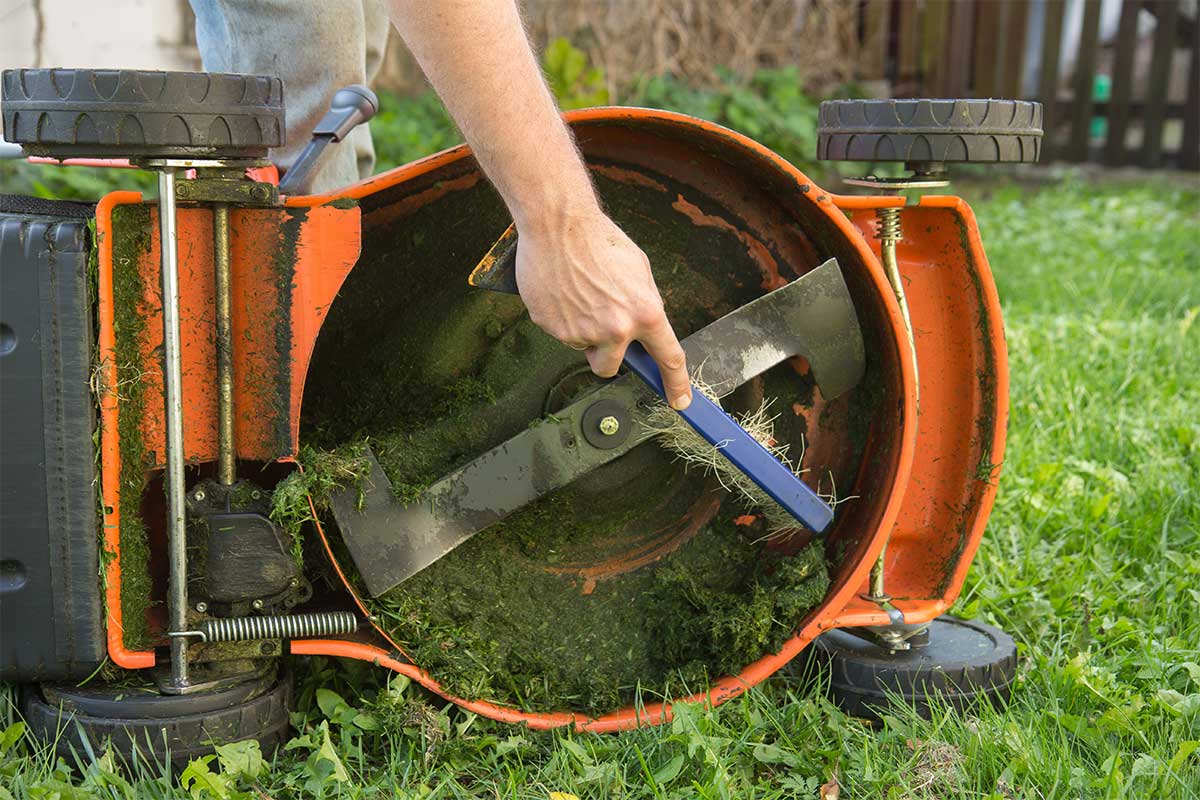
Before storing your garden tools away for winter, brush off any soil and wash as needed. Dry everything fully to prevent rust, then oil blades and hinges to keep them working smoothly. Store tools in a shed, garage or weatherproof storage unit to protect them from damp conditions and help them last longer. Oxford Garden Centre has a range of sheds and outdoor storage options to choose from if you’re lacking space.
Clean your greenhouse and polytunnels
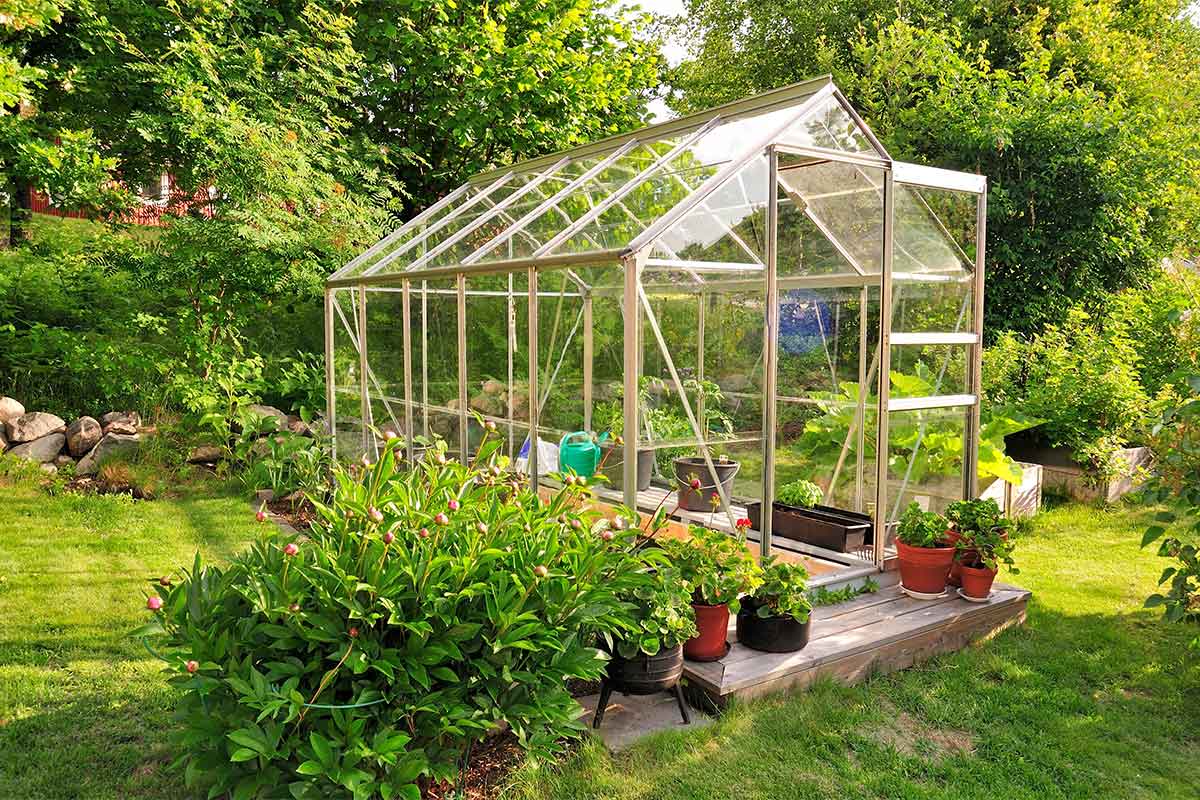
Cleaning your greenhouse at this time of year will deter pests and diseases. Wash glazing, benches and pots with a mild disinfectant to remove algae and residue, ensuring more light reaches your plants. You can also add bubble-wrap insulation to retain warmth while still allowing vital winter sunlight to filter through. On brighter days, ventilate the greenhouse to reduce humidity and minimise the risk of mould. Good airflow promotes healthier overwintering for tender plants and prepares the structure for spring planting.
Prepare your garden for harsh winter weather
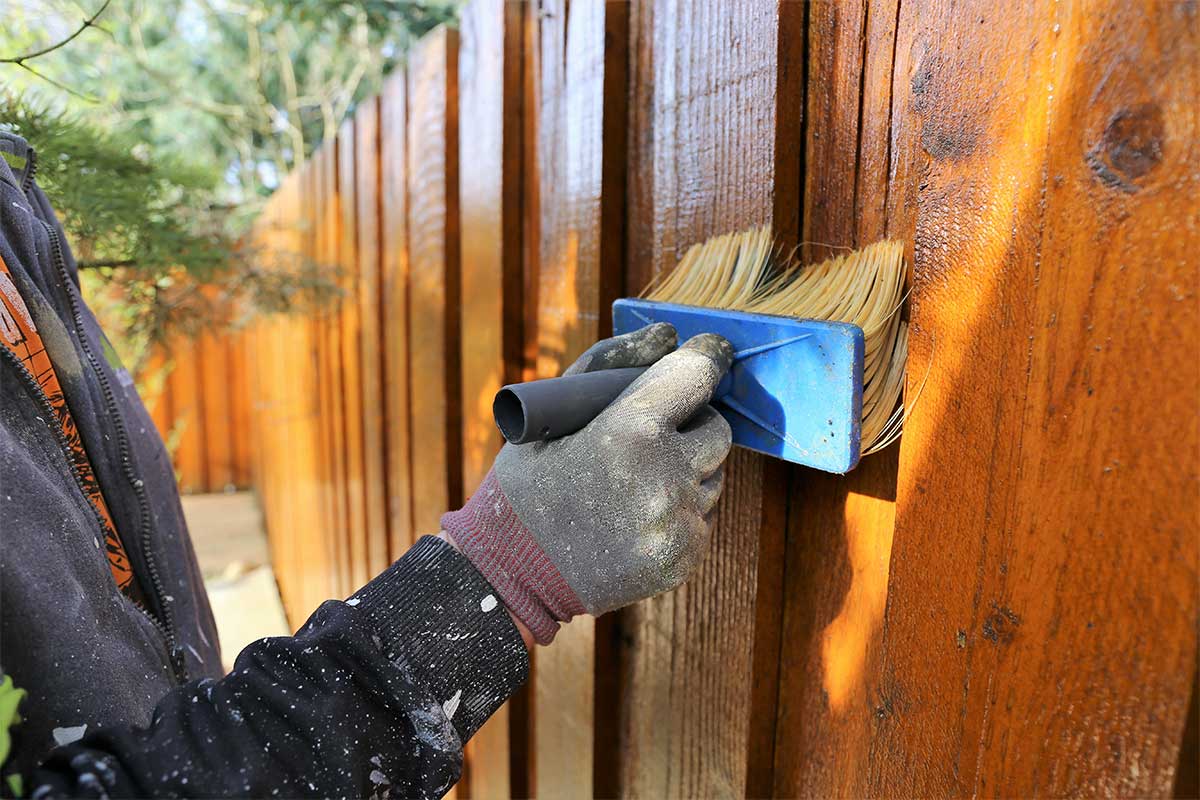
Winter storms and heavy rain can quickly expose weaknesses in outdoor structures, so this is an important part of winter gardening preparation. Inspect fences for rot, loose fixings or instability, and treat dry timber with preservative to extend its life. Replacing or reinforcing weak posts now is far easier and cheaper than dealing with storm damage later. With that in mind, AWBS can supply fence posts, panels and gravel boards for making repairs.
We also recommend securing any lightweight garden furniture and checking that arches, pergolas and trellis panels are stable. And before the worst of the weather arrives, improve drainage in soggy areas with gravel, slate chippings or topsoil. If the problem persists, you can install land-drainage pipes instead. Have a pond in your garden? Add a pond net to keep leaves from clogging pumps and filters, and maintain water quality throughout winter.
Make your garden wildlife-friendly
Provide food for birds
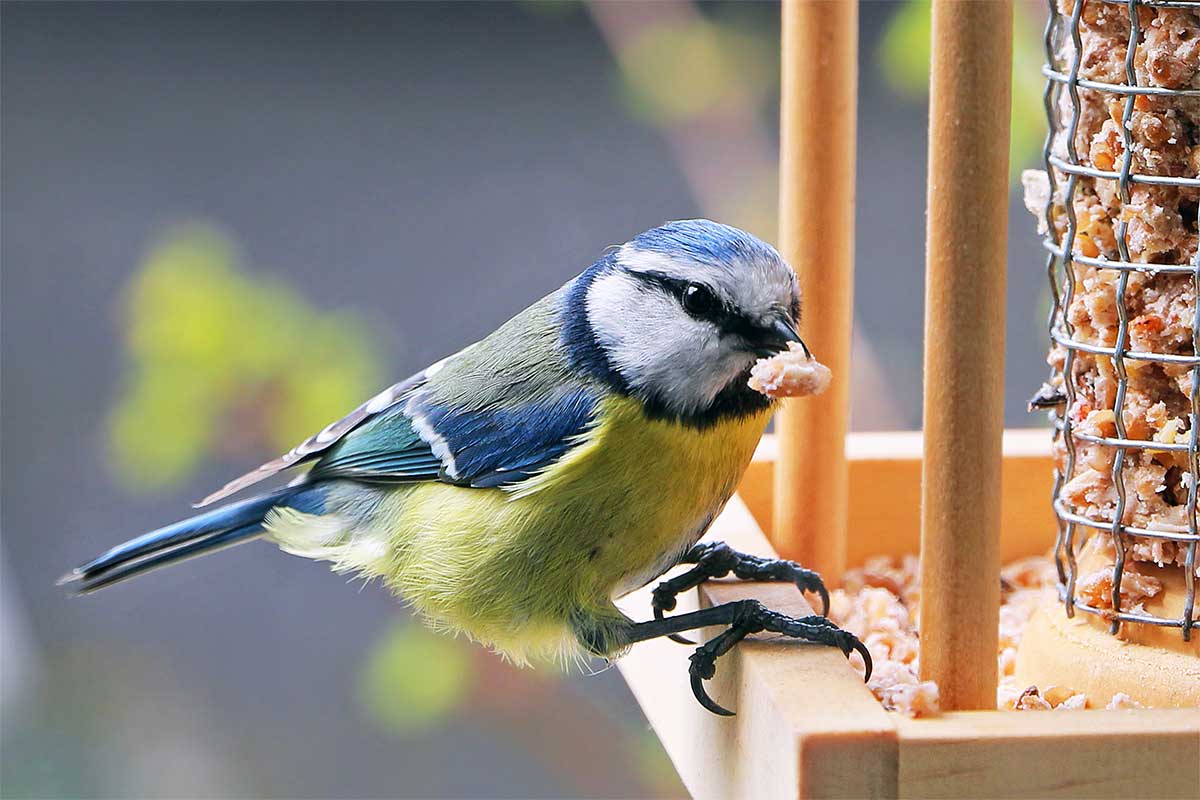
Winter is challenging for birds, and reliable food sources make a big difference. Offer suet blocks, sunflower hearts, peanuts and mixed seeds to help them maintain energy through cold spells. Oxford Garden Centre stocks various feeders and bird care products to support wildlife.
Create habitat for hedgehogs
Hedgehogs need dry, sheltered spaces for hibernation, so leaving a quiet corner undisturbed or adding a hedgehog house can make your garden a vital refuge for these declining natives.
Leave leaf piles for wildlife
Leaf piles make great habitats for insects, amphibians and small mammals. They also break down gradually into nutrient-rich matter that benefits the soil, so leave a few piles if you can.
How to clean and protect your decking in winter
Clean and inspect your decking
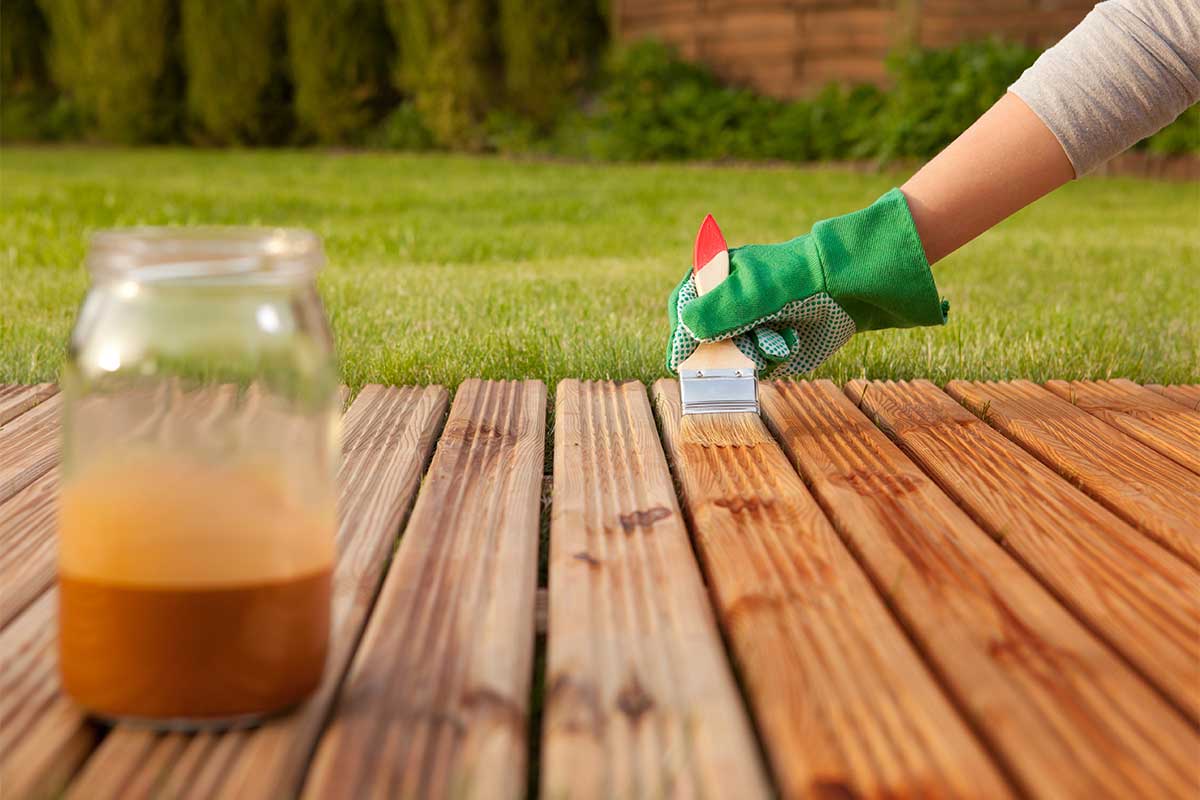
Before winter fully sets in, sweep away leaves, dirt and debris to prevent moisture being trapped on the surface, leading to mould, rot and discolouration. Wash the decking with a specialist cleaner or a solution of warm, soapy water and a stiff brush to remove algae and stubborn grime.
Next, inspect the boards for loose screws, protruding nails or signs of rot, tightening fixings and replacing damaged boards as necessary. Now is also a good time to sand down any rough spots to create a smooth, safe surface – especially if you have children or pets.
Apply a protective finish
Once the decking is fully dry, apply a coat of water-repellent sealant or oil to protect the timber from rain, frost and UV exposure. Oils should be applied in thin, even layers, with any excess wiped away to prevent slow-drying patches. Composite decking, meanwhile, requires less upkeep. Sweep it often and wash it down seasonally to remove built-up dirt and improve grip.
Look after your decking during winter
Sweep the surface regularly to stop leaves trapping moisture against timber boards. Clear snow with a plastic shovel or soft broom to avoid scratching or gouging the surface. Avoid de-icing salts on timber decking, as they can dry out the wood, cause staining and accelerate long-term deterioration. Keep gaps between boards free of debris to maintain good drainage, and lift any rugs or items that may trap water and mark the surface.
Winter paving and driveway care tips

Clean and maintain paving and patios
As part of your winter gardening routine, sweep paving regularly to remove leaves, weeds and debris that encourage moss and staining. For routine cleaning, scrub the slabs with a mild stone-safe detergent and a stiff brush, or for tougher jobs, use a specialist cleaner such as Azpects EasyCare Patio & Deck Cleaner. You can also use a pressure washer with a patio cleaning attachment to reduce the risk of damaging the pointing or the surface of the slabs. Struggling with weeds between slabs? Apply a weedkiller suitable for your paving type.
For added protection over winter, consider sealing your patio once it’s clean and dry. Products like Azpects Ultimate Sealer reduce staining, weed growth and makes future cleaning easier.
Repair joints and protect slab paving
Deteriorated pointing allows water to penetrate beneath paving slabs, where it can freeze and cause lifting or cracking. Repair damaged joints using high-performance jointing compounds from Joint-It, Steintec or Azpects. These provide a durable, weather-resistant finish designed to prevent winter damage, keep slabs stable and reduce long-term maintenance.
How to clean block paving in winter
Again, block paving should be brushed regularly. Work diagonally across the surface to remove loose dirt without disturbing the sand between the blocks. Remove weeds by hand – ideally after rain when the roots pull more easily – or spot-treat them with a suitable weedkiller. For deeper cleaning, wash the surface with a patio cleaner and rinse thoroughly with a hose.
Pressure washing block paving requires extra care, because high-pressure jets can wash out the sand and loosen the blocks. If you do decide to use one, choose a rotary patio cleaning attachment or the lowest setting at a shallow angle. Then refill any joints by sweeping in fresh kiln dried sand to stabilise the surface. You can also seal block paving to help protect against stains and cracks with Aspects Easy Seal Concrete Sealer.
Winter gardening made simple
The work you do in your garden this winter will boost its resilience and prepare your outdoor space for a strong start next year. Thoughtful winter gardening ensures your plants, lawn and hard landscaping can withstand the coldest months and return healthier in the spring.
AWBS supports gardeners across Oxford, Yarnton and Swindon with expert advice and high-quality landscaping supplies for every part of winter garden care. For tools, bird food and gardening essentials, call into Oxford Garden Centre (next to AWBS Oxford) to find everything you need. Our stores are open every day, with free local delivery offered regardless of spend.